

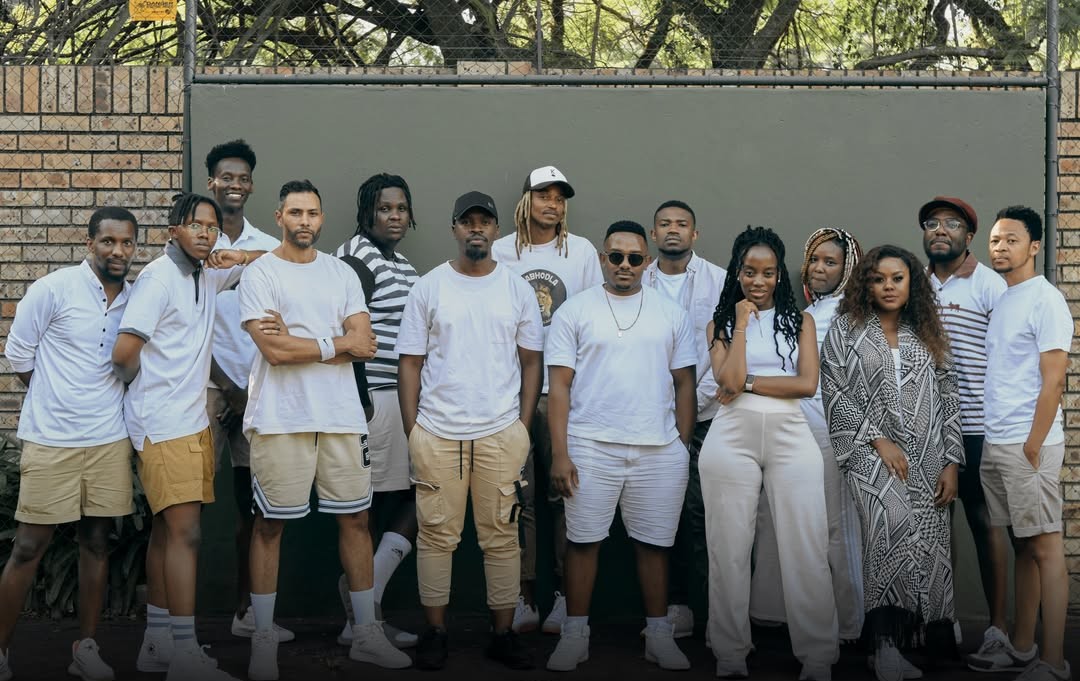
We Will Worship’s “Bonk’abantu” offers a powerful expression of faith, hope and salvation through a live performance recorded on Freedom Day. The song brings together different languages and musical influences to communicate a message centred on God’s power, healing and promised salvation. Its title, which speaks to all people seeing the salvation of God, reflects the song’s broad and inclusive spiritual message. The live presentation gives the performance an added sense of energy, allowing the worship to unfold through voices, music and a shared expression of faith. For audiences who enjoy contemporary gospel and worship music, “Bonk’abantu” provides a moving reminder of the central themes that continue to shape Christian praise.
The song was written by Langa Mbonambi, Ndumiso Manana, Sinmidele and Mussie Fahasseh and was published in 2021 through WWW Music, administered by Sheer Publishing. Its songwriting brings together a number of powerful images that describe God’s ability to transform difficult circumstances and restore what appears broken. The lyrics speak about hills and mountains being brought low, valleys being raised and crooked paths being made straight. These images create a strong sense of hope because they present God as active in the lives of believers and capable of bringing change where it is needed. The song therefore works not only as a worship performance but also as a declaration of trust in God’s power.
A central part of “Bonk’abantu” focuses on the promise that all people will see God’s salvation. This repeated message gives the song a strong congregational quality because its central declaration can easily become a shared statement of faith. Repetition plays an important role in worship music because it allows listeners to engage with a message gradually and reflect on its meaning as the performance develops. The repeated declaration also reinforces the song’s focus on salvation as something that extends beyond an individual experience. By returning to this message throughout the performance, We Will Worship creates a strong musical and spiritual anchor for the entire song.
The song also addresses experiences that are familiar to many people, including sickness, pain, uncertainty and hidden struggles. Its message presents God as a healer who can respond to suffering while also revealing what has been hidden and bringing clarity where there has been uncertainty. This part of the song gives its worship message a personal dimension because listeners can connect the words to challenges they may have experienced in their own lives. The lyrics then expand the message beyond personal struggles by speaking about kingdoms that oppose God’s name being brought down. The progression creates a wider picture of faith that includes personal healing, spiritual restoration and confidence in God’s ultimate authority.
One of the distinctive elements of the live performance is the way the song moves beyond a single language. The performance incorporates English, isiZulu and Yoruba, as well as Amharic, creating a multilingual expression of Christian worship. The inclusion of these languages gives the song a broader cultural character while reinforcing its message that worship can bring different communities together. The Yoruba section introduces declarations about holiness, the coming of the Saviour, victory and joy, while the Amharic section expands the vision towards God’s glory covering the earth. These changes in language add variety to the performance while keeping the central message focused on God’s sovereignty and salvation.
The Yoruba portion introduces another powerful dimension to the song by looking towards the coming of the Saviour and the victory that follows. Its references to every knee bowing and every tongue confessing point towards a universal recognition of God’s authority. This section also introduces an atmosphere of celebration through its references to joy and the praise of the Lord of Lords. Musically, the change in language can give the performance a fresh movement while allowing another cultural worship tradition to become part of the larger composition. It demonstrates how We Will Worship uses multilingual songwriting to create a worship experience that reaches beyond one particular linguistic or cultural setting.
The Amharic section continues this global perspective by presenting imagery of God’s glory covering the earth and creation bowing before the King of Kings. It also introduces the sound of trumpets and nations singing Hallelujah, giving the song a strong sense of anticipation and celebration. These images expand the song from a personal declaration of faith into a vision of universal worship. The idea that nations will praise God together fits naturally with the recurring message that all people will see His salvation. The combination of languages therefore serves a clear purpose, reinforcing the song’s emphasis on worship that reaches across communities and cultures.
The Freedom Day setting adds further significance to the live performance because the occasion carries themes of freedom, unity and shared identity. Within the context of the song, those themes connect naturally with its message of salvation, healing and hope. The performance presents worship as a collective experience, with the live setting allowing the song’s different sections to build into a larger celebration of faith. Rather than relying only on the words, the live format gives audiences an opportunity to experience the rhythm, vocal delivery and atmosphere of the performance. This makes the recording particularly suited to viewers who enjoy gospel music that captures the communal character of worship.
“Bonk’abantu” also demonstrates the strength of collaborative songwriting within contemporary worship music. Four writers contributed to the song, bringing different perspectives into a composition that moves between several languages while maintaining a consistent spiritual message. The result is a song that can accommodate moments of reflection, declaration and celebration within the same performance. Its structure allows the central refrain to return repeatedly while additional verses broaden the themes introduced earlier in the song. This gives the performance a sense of progression and allows the message of salvation to remain at the centre from beginning to end.
For listeners, one of the most compelling aspects of “Bonk’abantu” is its emphasis on hope. The song does not ignore sickness, pain or hardship, but presents these realities alongside declarations of healing, restoration and victory. That balance gives the performance an encouraging quality without reducing the complexity of the experiences referenced in the lyrics. Its message encourages listeners to look beyond present circumstances and focus on the belief that God remains able to restore, reveal, heal and save. Through its live arrangement and multilingual delivery, We Will Worship gives these themes a musical form that can resonate with audiences seeking worship music with a strong message.
The repeated Hallelujah declarations towards the latter part of the performance help bring together the different sections of the song. After moving through themes of transformation, healing, resurrection, holiness, victory and universal worship, the performance returns to its central declaration about God’s salvation. This creates a clear connection between the personal and universal dimensions of the song. The final emphasis on salvation reinforces the idea that the various images introduced throughout the performance point towards one central message of faith. The result is a worship song that combines lyrical depth with a structure designed to encourage participation and reflection.
We Will Worship’s “Bonk’abantu” stands out as a live worship performance that combines a strong message of salvation with multilingual musical expression and a communal atmosphere. Its songwriting brings together imagery of mountains, valleys, healing, resurrection, victory and universal praise to present a detailed picture of Christian hope. The use of isiZulu, Yoruba, Amharic and English adds cultural depth while supporting the song’s central message that God’s salvation will be seen by all people. Performed live on Freedom Day, the song also creates a meaningful connection between worship, unity and freedom. “Bonk’abantu” ultimately offers listeners a focused and uplifting worship experience built around faith in God’s power, His healing and His promise of salvation.
Watch “Bonk’abantu (LIVE on Freedom Day)” by We Will Worship here: https://www.youtube.com/watch?v=GMFc_NmrVA4
Join ' SA Gospel Music' WhatsApp Channel
Get the latest Gospel Music news delivered straight to your WhatsApp
CLICK HERE TO JOIN