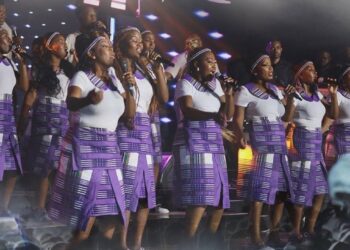


Kgaogelo Kekana has opened up about the meaning behind her latest hit song “Thaba Kgolo,” giving fans a closer look at the inspiration, message and memorable moments behind the Spirit Of Praise 11 performance. The gospel singer and worship minister explained that the song is more than an energetic praise track because it carries a powerful message about faith, spiritual warfare and trusting God to fight life’s battles. In her discussion about the song, Kekana also reflected on her personal experiences and explained how a difficult season in her life helped shape the scripture-based message. She described “Thaba Kgolo” as a song that ministers to her first before reaching other people. Her explanation gives listeners a deeper understanding of why the song combines energetic Limpopo sounds, traditional dancing and a message of surrender to God.
Kekana explained that “Thaba Kgolo” is based on scripture from Zechariah 4:7, which asks, “You great mountain, who are you before Zerubbabel?” For her, the great mountain represents the challenges, situations and battles that people encounter in life. The message is that these mountains are not greater than God and ultimately have no power when placed before Him. She explained that the scripture promises that God will crush the mountain and make it level ground, which gave her reassurance during a difficult period in her own life. This understanding became the foundation of the song and helped her transform a personal spiritual lesson into a worship message that could encourage others.
The meaning behind “Thaba Kgolo” is especially important because Kekana revealed that she wrote the song during a painful and challenging season. She explained that before an artist is a musician, they are also a sister, daughter and individual who experiences personal struggles. Although she chose not to reveal the specific details of what she was facing, she shared that the circumstances were difficult and deeply painful. The scripture came to her through a sermon preached by her pastor, and she continued thinking about it after returning home from church. Instead of feeling that she had to solve everything herself, the scripture helped her understand that she could trust God to fight the battles she was facing.
Kekana said the message of the scripture gave her a sense of peace during that difficult period. She described reaching a point where she realised she did not have to fight every battle on her own because God was present. Looking back on that season, she said she saw God crushing mountains and fighting battles for her, allowing her to come through the experience. This personal connection is one of the reasons “Thaba Kgolo” remains so close to her heart. She believes the song can reach someone who is facing a difficult situation and remind them that God is on their side.
The song also stands out because of its traditional Limpopo influence and energetic sound. Kekana explained that “Thaba Kgolo” is a traditional gospel song influenced by the culture and musical energy of Limpopo, where dancing forms an important part of celebrations and worship. She described the track as a vibe gospel song that can make people want to dance and celebrate while still carrying a serious message of encouragement. The performance combines a joyful atmosphere with lyrics that speak about overcoming challenges through God’s power. This combination allows the song to function as both a praise anthem and a declaration of faith in the face of adversity.
One of the most memorable elements of the song is the distinctive sound and dance associated with its performance. Kekana spoke about a keyboard sound that reminded her of Limpopo and explained how the musical element connected with the province’s familiar cultural sound. She also discussed the dance performed during the Spirit Of Praise 11 recording, revealing that the choreography was inspired by a dance created by a young man known as FBO Kapura. According to Kekana, the dance was adopted in Limpopo and later brought into the Spirit Of Praise performance. Seeing the backing vocalists perform the dance during the recording was particularly exciting for her because it brought a recognisable part of her home culture into the major gospel production.
Kekana also explained the significance of the traditional dancing featured in the performance. She spoke about traditional female dancers in Limpopo who often wear white gloves and traditional clothing during celebrations such as weddings. During the performance, she deliberately incorporated a Pedi dance to represent her cultural identity and show where she comes from. The decision added another layer of meaning to the performance because the song became an expression of both Christian faith and cultural heritage. Her dance moves helped communicate the celebratory side of “Thaba Kgolo” while allowing audiences to experience a piece of Limpopo tradition.
Although the song sounds joyful and energetic, Kekana stressed that “Thaba Kgolo” is also a warfare song. She explained that worship and spiritual warfare do not always require a slow song because the meaning and lyrics are what matter most. The commanding “Hey” sections are particularly important because they represent a declaration directed at the mountains and challenges standing before believers. Kekana explained that the stronger delivery reflects the attitude of someone entering a battlefield who needs to be prepared and determined. In this context, the energetic performance is not simply about entertainment, but forms part of the song’s message of confronting challenges through faith.
The “Hey hey hey” section therefore has a deeper purpose within the song. Kekana explained that the commanding voice is meant to ask the mountain who it is before the Lord, reinforcing the belief that no obstacle can stand above God. She wanted the performers to push the words with strength because the moment represents a declaration rather than a quiet reflection. This gives the song an aggressive spiritual energy while keeping its foundation firmly rooted in worship. The result is a track that encourages listeners to approach their challenges with confidence in God rather than fear.
Kekana also spoke about how meaningful it was to see the other performers respond to the song during the Spirit Of Praise 11 recording. She described the reaction from the backing vocalists and fellow artists as beautiful and exciting. Their dancing and energy helped bring the song’s Limpopo identity to the stage while reinforcing its celebratory character. She said the response from the performers on both sides of the stage made the experience special for her. The reaction also demonstrated how a song rooted in a specific cultural sound can create a powerful communal worship experience.
Another important part of Kekana’s explanation involved the traditional expressions used during the performance. She discussed ululation and the way it can be used within her cultural tradition to express celebration and honour. She connected these expressions to the worship of Jesus, explaining that they can represent recognition of His kingship and lordship. This shows how cultural traditions and Christian worship can work together within the song without losing the spiritual message. The performance therefore becomes a celebration that incorporates voice, movement, music and cultural expression.
Kekana also revealed that performing “Thaba Kgolo” required a significant amount of energy. The combination of singing, dancing and commanding sections made the performance physically demanding, and she jokingly recalled running away from the stage because she was tired from dancing. Her comments reveal the level of physical commitment that went into bringing the song to life during the Spirit Of Praise 11 recording. Despite the exhaustion, she described the experience as beautiful and amazing. Her behind-the-scenes account gives fans a glimpse into the effort involved in delivering such an energetic live worship performance.
At the heart of Kekana’s message is an encouragement for listeners to stop carrying burdens they can surrender to God. She repeatedly emphasised that people do not have to fight every battle themselves because the Lord can fight on their behalf. She encouraged listeners to praise, sing, dance and glorify God even while they are facing difficult circumstances. The message is not that challenges do not exist, but that believers do not have to face them without faith and trust in God. For Kekana, “Thaba Kgolo” is ultimately a reminder that no mountain is too high for God to crush.
The personal story behind “Thaba Kgolo” makes the song particularly meaningful within the Spirit Of Praise 11 project. What began as a scripture that encouraged Kekana during a painful season became a song that now carries a message of hope to a wider audience. Its combination of traditional Limpopo influences, energetic praise, cultural dance and spiritual warfare gives it a distinctive identity. Kekana’s explanation also shows why she believes every song should minister to the person who writes it before it reaches everyone else. Her own experience of coming through a difficult period gives greater weight to her message that God can fight battles and bring people through their darkest seasons.
“Thaba Kgolo” ultimately stands as both a praise song and a declaration of faith, with Kgaogelo Kekana using her personal experience to encourage listeners facing their own mountains. Her explanation of the song reveals that its energetic sound and traditional Limpopo elements are matched by a serious spiritual message about trusting God. The story behind its creation shows how scripture gave her strength when she was facing a painful period and helped her understand that she did not have to fight alone. Her behind-the-scenes memories also highlight the cultural pride, energy and joy that shaped the Spirit Of Praise 11 performance. For anyone facing a difficult battle, Kekana’s message remains clear: give your burdens to God, praise Him through the challenge and trust Him to make every mountain level ground.
Watch “The Spirit Behind ‘Thaba Kgolo’ | Kgaogelo Kekana” here: https://www.youtube.com/watch?v=9uWbgYpmBa4
Join ' SA Gospel Music' WhatsApp Channel
Get the latest Gospel Music news delivered straight to your WhatsApp
CLICK HERE TO JOIN