
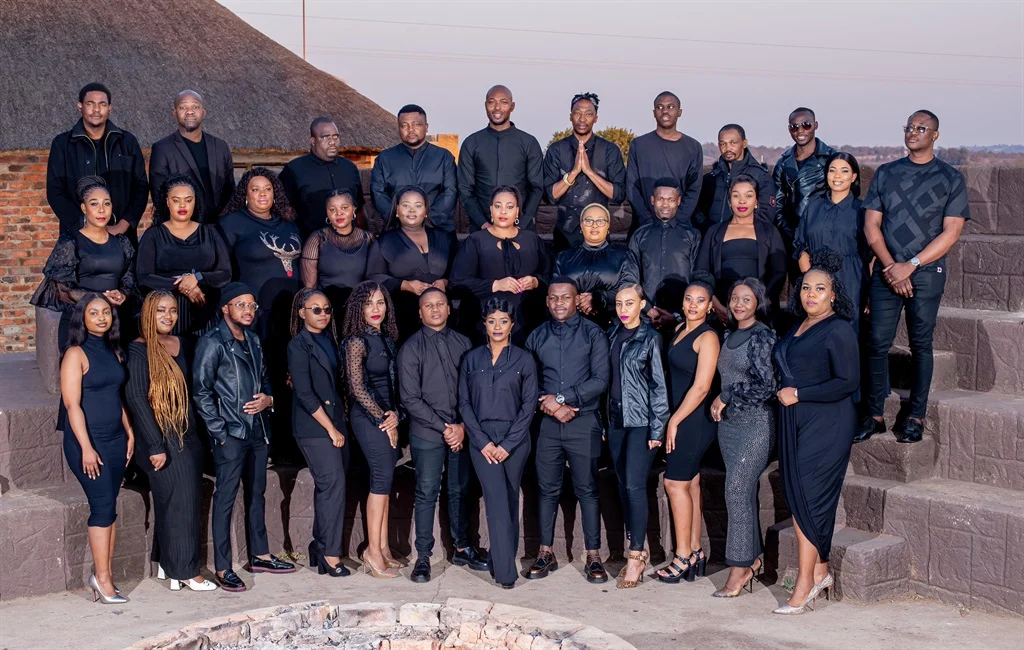
Tshwane Gospel Choir has released Harmony of Prayers Part Two (Live), a worship project that brings together 12 live gospel recordings and a diverse group of featured vocalists. The album continues the choir’s focus on Christian worship through songs that move across different languages and musical expressions. Each track contributes to a broader message of prayer, praise, gratitude, faith and devotion. The live format gives the project a congregational quality, allowing the performances to retain the energy and emotional character associated with worship gatherings. With guest appearances from artists including Ayanda Mahamba, Siphesihle Mokoena, Phiwayinkosi Mfeka, Halala Dube, Gugulethu Ndlovu and Ndlunkulu Nosange, the album presents a collaborative approach to gospel music.
Harmony of Prayers Part Two (Live) opens with “Isandla Sakho (Live)”, featuring Ayanda Mahamba, Diluvuyo Sanqela and Nondumiso Mabuza. The song establishes the album’s worship-focused direction and introduces listeners to the project’s combination of choir vocals and featured performances. The title “Isandla Sakho” points towards the theme of God’s hand, an image frequently associated with divine protection, guidance and support in Christian worship. The participation of three featured vocalists adds another layer to the opening performance and creates a strong sense of collaboration. Starting the album with a live recording also immediately places listeners inside the atmosphere that defines the project.
The second track, “Yibanodumo (Live)”, features Siphesihle Mokoena and continues the album’s emphasis on praise. Its title can be associated with a call for glory and honour, fitting naturally within a gospel project centred on worship. The live setting gives the performance room to develop through the interaction between the choir, featured vocalist and accompanying musicians. This approach allows the song to function not simply as a recorded track but as part of a wider worship experience. Together with the opening song, “Yibanodumo” establishes an early sense of praise that carries into the rest of the album.
“I Will Stay (Live)” follows without a featured artist and provides a different perspective within the project. The English-language title communicates a direct declaration of commitment and perseverance, themes that have a strong place in Christian worship. The decision to include a track without a guest vocalist also allows the collective identity of Tshwane Gospel Choir to take greater prominence. The choir’s unified sound becomes central to the performance rather than being shared with an individual featured artist. This creates variety within an album that otherwise includes several collaborations.
The fourth track, “Kungumusa (Live)”, features Phiwayinkosi Mfeka and adds another worship song to the growing sequence of praise. The title points towards grace, a central theme in Christian theology and gospel music. Grace is often expressed through songs of gratitude for God’s mercy, forgiveness and continued presence, making the track a natural fit for an album called Harmony of Prayers. Phiwayinkosi Mfeka’s featured appearance adds another distinctive vocal presence to the live performance. The combination of choir and guest vocalist helps maintain the collaborative character that runs throughout the album.
“Saviour (Live)” features Halala Dube and brings an English-language song into the centre of the tracklist. The title focuses attention on one of the central declarations of Christian faith, the recognition of Jesus Christ as Saviour. Within the context of the album, the song contributes to the project’s movement between personal devotion and collective worship. Halala Dube’s participation gives the performance another individual vocal identity while the choir provides the larger ensemble foundation. The result is another example of how Harmony of Prayers Part Two (Live) balances solo contributions with the collective sound of Tshwane Gospel Choir.
The sixth track is “Igetsemane (Live)”, featuring Gugulethu Ndlovu. The title references Gethsemane, a significant biblical location associated with Jesus Christ’s prayer before His crucifixion. This connection gives the song a serious devotional dimension and places prayer at the heart of the album’s narrative. The live performance can therefore be viewed within the wider themes of sacrifice, obedience, faith and dependence on God. Gugulethu Ndlovu’s featured role adds another vocal contribution to a project that consistently uses guest artists to broaden its musical presentation.
“Ogama Lingu Jesu (Live)”, featuring Sindisiwe Msibi, is the seventh song on the album. The title focuses on the name of Jesus and reflects the project’s continuing emphasis on Christian devotion. Songs centred on the name of Jesus are common within gospel worship because they allow singers and congregations to express praise, faith and reverence through direct lyrical declarations. Sindisiwe Msibi’s featured performance adds another voice to the choir’s ensemble sound. Positioned in the second half of the tracklist, the song continues the album’s steady movement through different expressions of worship.
The eighth track, “Indalo Yonke (Live)”, does not feature a guest vocalist and again places the collective voice of Tshwane Gospel Choir at the forefront. The title refers to creation, opening the possibility for a worship theme focused on God’s work throughout the natural world and the wider created order. This gives the album another thematic dimension after several songs that focus directly on God’s grace, Jesus and personal devotion. The choir’s presence as a collective is particularly important on a song that speaks to a broad concept such as creation. It also provides a natural transition into the final section of the album.
“Jeso Rato (Live)” features Thabang Mavunga and continues the album’s multilingual approach to worship music. The title centres on Jesus and love, reinforcing the project’s focus on Christian devotion while introducing another linguistic expression. The inclusion of different languages across the tracklist reflects the rich cultural character of South African gospel music. Thabang Mavunga’s appearance contributes to the album’s growing list of guest vocalists and helps create variety between individual performances. The song also reinforces the idea that worship can be expressed through different languages while maintaining a shared spiritual message.
The tenth track, “Tau Ya Leloko (Live)”, features Lebogang Pitjadi and adds another distinct expression to the project’s musical journey. The track continues the album’s use of language as an important part of its identity, while the featured vocalist adds another dimension to the live presentation. By this stage, listeners have already experienced a wide range of vocal collaborations, creating a project that feels deliberately communal. The combination of Tshwane Gospel Choir with different guest artists allows each performance to have its own character. At the same time, the live format keeps the album connected through a consistent worship atmosphere.
“Jeso Ke Ya Leboga (Live)”, featuring Thabiso Mokgwathi, is the eleventh track and brings the album closer to its final performance. The title expresses gratitude to Jesus, a theme that fits naturally within a project built around prayer and worship. Gratitude is one of the strongest recurring ideas in gospel music because it allows believers to reflect on God’s presence, provision and faithfulness. Thabiso Mokgwathi’s featured appearance continues the pattern of bringing individual voices into the choir’s larger sound. The track therefore serves both as a statement of thanksgiving and as part of the album’s progression towards its final song.
The album closes with “Sibabaza Wena (Live)”, featuring Ndlunkulu Nosange. As the final track, the song provides a fitting opportunity to end the project with another expression of praise and worship. The title conveys a direct focus on praising God, which aligns closely with the themes introduced at the beginning of Harmony of Prayers Part Two (Live). Ndlunkulu Nosange’s featured contribution gives the closing performance an individual vocal presence while Tshwane Gospel Choir remains central to the overall sound. Ending with a live worship performance reinforces the album’s identity as a collective musical and spiritual experience.
One of the strongest characteristics of Harmony of Prayers Part Two (Live) is its use of featured vocalists throughout much of the tracklist. Eleven of the 12 songs include at least one named guest performer, while “I Will Stay” and “Indalo Yonke” provide moments where the choir’s collective voice takes the lead. The collaborations include artists from different musical and linguistic backgrounds, creating variety without moving away from the project’s central worship purpose. This structure also gives individual singers opportunities to bring their own vocal character to performances while remaining part of a larger ensemble. The result is an album that presents gospel music as a shared experience rather than a performance centred on a single voice.
The live recording format is another defining feature of the project. Live gospel albums can capture elements that are difficult to reproduce in a studio, including the sense of collective participation, dynamic vocal arrangements and the natural progression of worship performances. Harmony of Prayers Part Two (Live) uses this format across all 12 tracks, making the live setting part of the album’s identity rather than simply a production choice. The performances can therefore appeal to listeners who enjoy worship music with an ensemble sound and a strong sense of communal participation. This also makes the project suitable for personal devotion, prayer sessions and listeners who simply want to experience contemporary South African gospel music.
The multilingual nature of the tracklist further strengthens the album’s identity. The project moves between English and several South African languages, allowing the choir and featured vocalists to express worship in different linguistic forms. This variety reflects the country’s diverse gospel music tradition and gives the album a broad cultural character. Songs such as “I Will Stay” and “Saviour” sit alongside titles including “Isandla Sakho”, “Yibanodumo”, “Kungumusa”, “Ogama Lingu Jesu” and “Jeso Ke Ya Leboga”. The result is a project that uses language as an important part of its musical expression while maintaining a clear focus on Christian worship.
Harmony of Prayers Part Two (Live) ultimately presents Tshwane Gospel Choir as a collective rooted in worship, collaboration and musical diversity. Its 12-track structure gives listeners a varied journey through songs about praise, grace, commitment, Jesus, prayer, creation and gratitude. The extensive list of featured vocalists adds different voices to the project, while the live recording approach preserves the communal quality that is central to gospel music. From “Isandla Sakho (Live)” through to “Sibabaza Wena (Live)”, the album maintains a clear spiritual focus while allowing each performance to develop its own character. Harmony of Prayers Part Two (Live) is therefore a substantial addition to Tshwane Gospel Choir’s catalogue and a project that gives gospel listeners another opportunity to engage with worship through powerful ensemble performances and diverse South African musical expression.
Join ' SA Gospel Music' WhatsApp Channel
Get the latest Gospel Music news delivered straight to your WhatsApp
CLICK HERE TO JOIN