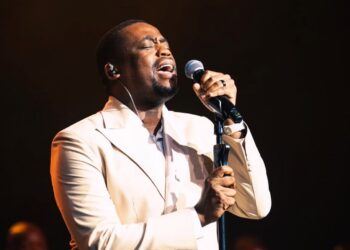
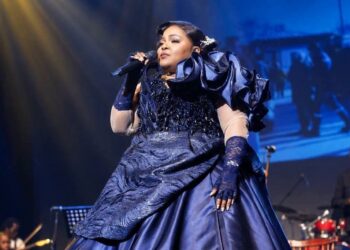
South African music lovers can look forward to a powerful celebration of gospel music, worship and unity when Judith Sephuma and Takie Ndou take to the stage at the One Faith Gospel Concert on 16 December 2026. Presented by BT Entertainment, the concert will take place at SunBet Arena in Pretoria on the Day of Reconciliation. Under the theme “All Be One”, the event aims to bring people from different backgrounds, cultures and language groups together through music and a shared Christian faith. For Judith Sephuma, the occasion offers an opportunity to show audiences a deeply spiritual side of her musical identity, while Takie Ndou sees it as another important platform for promoting cultural diversity and giving Venda gospel music greater recognition. With an impressive line-up of established gospel musicians, the concert promises an evening centred on worship, spiritual connection and the message that people can find common ground despite their differences.
The One Faith Gospel Concert carries a message that goes beyond entertainment. Its theme, “All Be One”, speaks to the importance of unity in a country with many languages, cultures and religious traditions. South Africa’s Day of Reconciliation provides a meaningful setting for such an event because the public holiday encourages reflection on relationships, historical divisions and the importance of building a more united society. BT Entertainment believes music provides a powerful way to bring people together and create shared experiences. Through gospel music, the organisers want audiences to celebrate one another, embrace their differences and find hope in a common purpose. The concert therefore combines the spiritual message of Christianity with a broader call for understanding, acceptance and togetherness.
One of the most interesting aspects of the event is Judith Sephuma’s decision to approach the stage from a different musical perspective. Many South Africans know her through jazz and Afro-soul, genres that have helped establish her as one of the country’s respected vocalists. However, gospel and worship represent another important dimension of her musical expression. She explains that performing jazz allows her to explore interpretation, emotion and musical creativity, while gospel requires a deeper level of surrender to God. For her, worship is not simply about delivering a technically impressive performance or showcasing vocal ability. It is about directing every part of the musical experience towards God.
Judith describes the worship experience as a moment when the stage becomes an altar and music becomes an offering to God. This description captures the spiritual approach she brings to gospel performances. She believes that worship requires vulnerability, humility and a willingness to put personal recognition aside. Rather than making herself the centre of attention, she wants the music to point listeners towards God’s presence. This distinction is important because gospel music can serve different purposes, from celebrating musical talent to creating an atmosphere of prayer and spiritual reflection. Judith wants audiences to experience the deeper meaning of worship when she performs at One Faith.
Her understanding of gospel music also highlights the difference between singing about God and ministering through music. A person can perform a religious song beautifully without necessarily communicating the spiritual message behind it. For Judith, genuine worship comes from a personal encounter with God and a sincere desire to share that experience with others. She hopes that people attending the concert will not simply appreciate her voice but will also connect with the message carried by the songs. Her intention is to create an environment where people can reflect, find encouragement and experience a renewed sense of faith. This approach gives her performance a personal dimension that goes beyond her established reputation as a jazz and Afro-soul artist.
Judith’s reflections on reconciliation also reveal how personal experiences have influenced her relationship with God and her approach to music. When discussing the meaning of reconciliation in her own life, she focuses on the internal process of making peace with expectations, disappointments and personal growth. She explains that people sometimes have to reconcile their own plans with God’s timing and their understanding with His will. Life does not always develop according to the expectations people create for themselves. There are seasons when uncertainty, pain and disappointment challenge their faith and force them to reconsider what truly matters. Through these experiences, Judith has learned that trusting God does not require having every answer.
This personal understanding has changed the way she approaches songs. She no longer sees music simply as a melody supported by a beautiful arrangement. Instead, she considers each song an opportunity to communicate a testimony through gratitude, surrender and hope. Her performances reflect the belief that God remains faithful even when life takes unexpected turns. This message is particularly relevant on the Day of Reconciliation because peace is not only about resolving disagreements between individuals or communities. It can also involve accepting personal circumstances, letting go of unrealistic expectations and finding peace within oneself. Judith hopes the concert will encourage people to reflect on the relationships and personal struggles that may require attention.
Takie Ndou brings a different but equally important perspective to the One Faith Gospel Concert. Known for his commitment to singing in Tshivenda, he has spent years using his mother tongue as an important part of his musical identity. For him, singing in Tshivenda is a natural expression of who he is. He does not need to translate the meaning of the words in his mind before performing because the language comes directly from his heart. This connection allows him to communicate with sincerity and confidence. He considers it an honour to represent his language and culture through gospel music.
One of the challenges Takie has encountered is reaching audiences who do not understand Tshivenda. However, he believes that music has the ability to communicate emotions and spiritual messages beyond language barriers. Even when listeners cannot understand every word, they can connect with the melody, the sound and the sincerity behind the performance. He believes people respond to the heart behind the music, making worship a shared experience even among audiences who speak different languages. His perspective challenges the idea that listeners must understand every lyric before they can appreciate a gospel song. It also highlights the ability of music to create connections between people from different cultural backgrounds.
Takie has also experienced this connection when travelling to other African countries to minister through music. He explains that he travels internationally for gospel ministry almost every second month and often performs the same songs he sings at home. The positive response he receives from audiences reinforces his belief that music can bring people together regardless of their mother tongue. For him, these experiences demonstrate that gospel music can cross cultural and national boundaries. They also provide an opportunity to challenge tribalism and encourage people to appreciate musical expressions from communities outside their own. His participation in One Faith therefore carries a message that extends beyond the concert stage.
The issue of language representation in South African gospel music is particularly important to Takie. He believes the industry still gives considerable attention to Zulu gospel music, leaving other languages with less visibility. He would like audiences to become more open to music simply because it carries a meaningful message rather than judging it according to the language in which it is performed. This does not mean that he wants Zulu gospel music to receive less support. Instead, he wants the industry to create more opportunities for artists who sing in Tshivenda and other South African languages. Greater acceptance would allow listeners to discover different musical traditions and give more artists the opportunity to reach national audiences.
Takie sees collaboration as one of the most effective ways to address this imbalance. He explains that he has worked with many artists in the gospel industry, partly because collaborations allow musicians to introduce their music to audiences they might not reach independently. When artists from different language groups work together, they create opportunities for cultural exchange and wider appreciation. A collaboration can introduce a Tshivenda song to listeners who mainly consume gospel music in another language. It can also encourage audiences to become more curious about different musical styles and traditions. Takie believes the industry achieves more when artists work together than when they operate only as individuals.
His efforts are part of a gradual change in how South African audiences receive Venda gospel music. He acknowledges that progress takes time, but he is encouraged by the growing recognition of the Venda community, its language and its musical contributions. His participation in a major concert featuring some of the country’s leading gospel artists is another opportunity to strengthen that visibility. By sharing the stage with musicians from different backgrounds, he can introduce more people to his musical identity. His presence also reinforces the central message of One Faith, which is that different voices can come together without losing their individual identities.
Audiences attending the concert can expect Takie to bring more than one language to the stage. He reveals that his album contains music in more than seven languages and that his performance will reflect this diversity. While he intends to introduce different languages and musical expressions, he also promises to perform songs that audiences already know and love. This balance allows him to remain connected to his existing listeners while giving new audiences an opportunity to experience his broader musical range. His multilingual approach fits naturally with the theme of unity. It shows how gospel music can celebrate cultural differences while communicating the same message of faith.
The One Faith Gospel Concert will also feature an impressive group of South African gospel musicians. The announced line-up includes Bishop Benjamin Dube, Judith Sephuma, Takie Ndou, Dumi Mkokstad, Xolly Mncwango, Ntokozo Mbambo, Teboho Moloi and Oncemore Six. The programme will also feature Amadodana Ase Wesile, the well-known Methodist men’s choir. Each performer brings a different musical background, worship style and experience to the event. Together, the artists represent different generations and expressions of South African gospel music, creating a programme that reflects the diversity of the country’s Christian music community.
The inclusion of Amadodana Ase Wesile adds another important dimension to the concert. Choral music has a long-standing place in South African Christian worship, with congregational singing and traditional harmonies forming an important part of many church experiences. The choir’s participation creates an opportunity to bring this tradition together with contemporary gospel performances and other musical styles. The presence of artists such as Benjamin Dube, Ntokozo Mbambo and Dumi Mkokstad also gives the programme a strong connection to the wider South African gospel audience. With different voices and musical approaches sharing one stage, the event reflects the idea that worship does not have to follow one particular sound or cultural expression.
Judith hopes the concert will also change how people who know her from jazz and Afro-soul understand worship. She wants audiences to recognise that worship is not restricted to a specific musical genre or performance style. A person does not need to sing traditional gospel music to express genuine devotion to God. Worship, in her understanding, is a lifestyle that influences how people live, respond to challenges and relate to others. This message makes her appearance particularly meaningful because it allows her to connect two important parts of her musical identity. She wants people to leave with a deeper understanding of worship rather than simply remembering a different type of performance from an artist they already admire.
Her hope is that people will walk away encouraged, restored and reminded of God’s goodness. She believes that if someone leaves the arena feeling closer to God, then the concert will have achieved something more meaningful than presenting a successful musical production. This perspective aligns with Takie Ndou’s desire to use music as a way of connecting people across language and cultural boundaries. Although their musical journeys and personal approaches differ, both artists share a commitment to using their platforms for something greater than entertainment. Judith focuses on surrender and personal spiritual encounters, while Takie highlights the importance of making the gospel accessible to people from different communities. Their participation gives the One Faith Gospel Concert a strong message of spiritual and cultural unity.
The One Faith Gospel Concert will take place on Wednesday, 16 December 2026, at SunBet Arena, Time Square, in Menlyn Maine, Pretoria. The show is scheduled to start at 16:00 and will be presented by BT Entertainment. The date is significant because it falls on South Africa’s Day of Reconciliation, making the theme “All Be One” particularly relevant. Audiences can expect performances from some of the country’s leading gospel musicians, alongside a programme that celebrates different languages, musical traditions and expressions of Christian worship. The event is designed to bring people together through a shared experience of faith and music.
The meeting of Judith Sephuma and Takie Ndou at One Faith represents an important celebration of what South African gospel music can achieve when different voices come together. Their messages remind audiences that worship is not defined by vocal ability, language or musical genre alone. It is about sincerity, faith and the willingness to share hope with others. Through her understanding of worship as an offering to God and his commitment to promoting Tshivenda gospel music, both artists bring meaningful perspectives to the theme “All Be One”. The concert offers an opportunity to celebrate diversity while recognising the values that connect people. On 16 December 2026, the stage at SunBet Arena will become a meeting place for music, worship and a shared message of unity.
Join ' SA Gospel Music' WhatsApp Channel
Get the latest Gospel Music news delivered straight to your WhatsApp
CLICK HERE TO JOIN