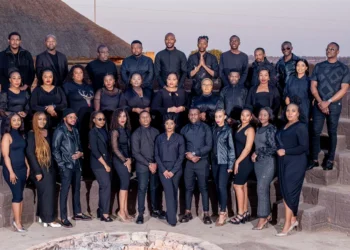
Takie Ndou has become a recognised voice in South African gospel music, touching hearts through powerful worship songs, heartfelt lyrics and a deep commitment to sharing the message of God. His musical journey reflects faith, gratitude, hard work and a genuine love for gospel music. Known for his contribution to Spirit of Praise, Takie has continued to inspire audiences through songs that carry personal testimonies and meaningful messages of worship. His ability to connect with listeners goes beyond his vocal talent because his music often reflects real experiences and his relationship with God. As the voice behind songs such as “We Worship You” and other memorable gospel performances, Takie Ndou represents a generation of gospel artists who use music to encourage believers and strengthen their faith.
Takie’s story begins in a small village called Hamucha, situated between Tshakhuma and Ramunangi in Limpopo, South Africa. He spent most of his childhood in the village and remained there until he completed his matric studies. Growing up in a Christian family played an important role in shaping his character and spiritual foundation. His parents were actively involved in church leadership and served as deacons and elders who preached and helped guide the congregation. Their commitment to Christianity meant that Takie grew up in an environment where discipline, respect and good behaviour were important values.
He describes his childhood as relatively quiet because his parents were strict and did not allow him to go out frequently. Rather than spending much time outside the home, he grew up following the expectations set by his family. Takie is one of five children, with two older brothers and two younger sisters, making him the middle child. His upbringing helped establish the values that would later influence his approach to gospel music and ministry. Although his childhood was not filled with many outside activities, his home environment gave him a strong connection to Christian teachings and church life.
One of the biggest milestones in Takie Ndou’s musical career was becoming part of Spirit of Praise. He joined the celebrated gospel music group from Volume 7, an achievement he describes as one of his dreams coming true. For him, Spirit of Praise represents a gathering of established gospel artists who have demonstrated their ability to impact the Christian community through music. Being selected to perform alongside such talented musicians was more than a professional opportunity. It was also a recognition of his work and the contribution he had already made to gospel music. He explains that when the opportunity came, he did not hesitate to accept the invitation, even joking that he was ready to say yes before discussing the terms and conditions.
Takie has great respect for what Spirit of Praise represents in the South African gospel industry. The group brings together different voices, musical styles and experiences to create performances that reach a wide audience. For an artist who has always admired the collective, becoming part of it was a significant personal achievement. His experience also demonstrates how opportunities in gospel music can open doors for artists who remain committed to their calling. He considers the invitation a blessing and remains grateful to God for allowing him to become part of the group.
One particularly memorable moment in his Spirit of Praise journey was performing alongside Dumi Mkokstad. The two artists shared the stage for the song “Jesus Is Mine”, creating a performance that brought excitement to gospel music fans. Takie revealed that the song was not new to him because he had written it several years earlier, around 2007. He originally recorded it with Robiawa as part of one of their earlier albums. When Spirit of Praise began arranging musical collaborations, Takie immediately thought the song would work well as a duet.
He had also hoped to collaborate with Dumi Mkokstad, making the opportunity even more special. When the team suggested that they perform “Jesus Is Mine” together, Takie was excited because it matched an idea he had already considered. The collaboration allowed him to revisit an older composition and introduce it to a wider audience through a fresh performance. Their stage chemistry and musical connection made the moment memorable for viewers. Takie was particularly excited to see the audience respond positively to the collaboration.
The performance also revealed a humorous side of Takie’s personality. During the stage preparation and performance, the artists incorporated dance movements that challenged him more than he expected. While some people assume that he is a good dancer because he can perform a few simple moves, Dumi Mkokstad’s more energetic choreography exposed his limitations. Takie openly admitted that he discovered he could not dance as well as he had thought. His laughter when discussing the moment shows that he does not take himself too seriously and appreciates the fun moments that come with performing alongside other gospel musicians.
Another interesting part of Takie Ndou’s musical identity is his appreciation for traditional Venda music and the Apostolic musical style. Although he never attended a Zion Apostolic church, he grew up near people who belonged to that religious tradition. Their night vigils often included singing, and he could hear the music from his neighbourhood. Over time, those sounds became part of his musical inspiration. He developed an appreciation for the traditional rhythms, harmonies and spiritual atmosphere associated with Apostolic worship.
This influence became visible when he decided to incorporate a traditional Venda-inspired sound into his Spirit of Praise performances. He wanted to represent the musical style properly, so he chose to wear a white coat that reflected the visual identity often associated with Apostolic church traditions. The decision was intentional because he wanted the performance to communicate more than just a song. He wanted the clothing, musical arrangement and atmosphere to complement the message. His approach demonstrates how gospel music can embrace cultural identity while remaining focused on Christian worship.
Takie’s participation in Spirit of Praise also brought new original music to audiences. One of the songs he performed was “Forward We Go”, which was written for Spirit of Praise Volume 8. The song received a positive response from listeners and contributed to the energetic atmosphere associated with the group’s performances. Takie described the experience as exciting and appreciated how audiences connected with the music. Pastor Omega’s contribution through another song created a sense of continuity between the performances. For Takie, these musical moments demonstrate the special atmosphere that makes Spirit of Praise an important part of his gospel journey.
Beyond the excitement of performing, Takie uses his songs to communicate spiritual lessons drawn from everyday life. One example is his explanation of a traditional Venda expression about teaching a child to walk. He describes how an adult holds a child’s hands while helping them take their first steps. As the child becomes more confident, the adult gradually allows them to walk independently. The child may stumble or fall, but the adult remains close enough to help them get back up. Takie connects this experience to the Christian journey and the way God guides believers through different stages of their faith.
His explanation offers a powerful reminder that spiritual growth does not always happen without difficulties. When people first begin their journey with God, they may need constant guidance and reassurance. As their faith develops, they learn to trust God even when circumstances become challenging. There are moments when believers feel strong and confident, while other moments leave them feeling weak or uncertain. Takie’s message is that God does not abandon people when they stumble. Instead, He continues to guide, restore and strengthen them as they grow spiritually.
This message reflects the personal nature of Takie’s songwriting. He explains that many of his songs are inspired by his experiences with God, his prayers, personal testimonies and moments of thanksgiving. Rather than simply writing music for entertainment, he draws from situations that have shaped his faith. His songs often communicate feelings of gratitude, amazement and appreciation for God’s work in his life. This approach allows listeners to connect with the music because the messages come from experiences that many Christians can understand.
His testimony-driven approach is especially clear in the song he discusses as a thanksgiving expression. The central message is about looking back at where life began and recognising how far God has brought a person. Takie describes the feeling of amazement that comes when he reflects on his journey and the things God has done. The song encourages listeners to recognise the blessings they sometimes overlook while focusing on their current challenges. It reminds believers that taking time to reflect can strengthen their faith and renew their appreciation for God’s goodness.
Takie also explains that the song is intended to encourage people to stop and consider their own journeys. Life can become busy, and people may focus so much on what they still want to achieve that they forget to appreciate how far they have already come. His message is simple but meaningful: people should make time to thank God for carrying them through different seasons of life. Whether someone has experienced financial difficulties, personal struggles, disappointment or moments of happiness, reflection can help them recognise the value of perseverance and faith. Through this message, Takie uses gospel music to encourage gratitude rather than allowing people to focus only on what they lack.
Despite the powerful message behind the performance, Takie revealed that the recording was not physically easy for him. He was suffering from a severe flu on the day and struggled with his voice and energy. He explained that he was sweating before he even started singing and that his chest felt hot. His vocal performance was therefore affected by his illness, making it difficult to deliver the song exactly as he had intended. Although he appreciated the strength of the message, the quality of the band and the other vocal performances, he felt that he had not given his best.
His honesty about the experience provides another glimpse into the challenges gospel musicians face behind the scenes. Audiences often see the final performance without knowing what the artists experienced before stepping onto the stage. A singer may be dealing with illness, exhaustion or personal difficulties while still trying to deliver a meaningful worship experience. Takie’s experience shows that even established gospel artists face difficult performance conditions. It also highlights the dedication required to participate in major gospel recordings and live productions.
The most important aspect of Takie Ndou’s journey is the way he connects his music to his faith and personal experiences. His childhood in Hamucha, his parents’ Christian influence and his exposure to different worship traditions all contributed to the artist he has become. His involvement with Spirit of Praise gave him an opportunity to share his talent on a larger platform and collaborate with respected gospel musicians. Songs such as “Jesus Is Mine” and “Forward We Go” reflect different aspects of his musical journey, from revisiting earlier compositions to introducing new material. His traditional Venda influences also demonstrate his appreciation for the cultural sounds that shaped his musical identity.
Takie Ndou’s story is a reminder that gospel music is about more than beautiful voices and impressive performances. It is also about sharing testimonies, encouraging faith and reminding people of God’s presence in their lives. Through his work with Spirit of Praise and his personal songwriting, he continues to communicate messages of hope, gratitude and spiritual growth. His journey from Hamucha to the Spirit of Praise stage reflects the importance of remaining faithful to one’s calling while appreciating every opportunity along the way. As listeners enjoy his music, they are also invited to reflect on their own lives and acknowledge how far they have come. For Takie Ndou, the purpose of worship remains clear: to give God the glory and encourage others to do the same.
Join ' SA Gospel Music' WhatsApp Channel
Get the latest Gospel Music news delivered straight to your WhatsApp
CLICK HERE TO JOIN