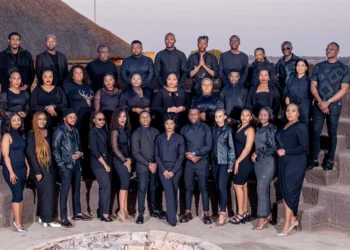


South African gospel and Afro-soul powerhouse Nontokozo Mkhize has joined forces with award-winning indigenous musician Zawadi Yamungu for “Glory”, a powerful new collaboration released in the early hours of 21 August 2026. The new single brings together two distinctive musical voices from KwaZulu-Natal and creates a meeting point between contemporary gospel, Afro-soul and indigenous South African sounds. Both artists have developed careers rooted in authenticity, cultural expression and strong connections with their audiences. Their collaboration therefore carries significance beyond a conventional musical partnership, as it brings faith and heritage into the same creative space. With “Glory” now available across major streaming platforms, the release gives listeners an opportunity to experience two different musical approaches working together around a shared sense of identity and expression.
Nontokozo Mkhize has established herself as one of South Africa’s prominent female gospel voices through music that combines emotional depth, vulnerability and expressions of faith. Her breakthrough single “Esandleni” helped introduce her sound to a wider audience and established a foundation for her growing career. She further strengthened her position with the release of her 2025 album “Lindiwe”, which showcased her ability to connect personal emotion with spiritual themes. Her music often focuses on praise, faith and experiences that listeners can relate to in their own lives. The release of “Glory” adds another chapter to that journey while allowing her to explore a musical partnership that expands the sound associated with her gospel work.
Zawadi Yamungu, born Nkosingiphile Mpanza, has taken a different but complementary route through the South African music landscape. She has built her reputation around the preservation, development and modern presentation of indigenous music. A defining part of her musical identity is her command of the traditional Zulu umakhweyana bow, an instrument that carries a strong connection to Zulu musical heritage. Her 2025 album “Ngimuhle” further demonstrated her commitment to placing indigenous sounds within contemporary musical spaces. Her career has also taken her from royal memorials to major stages, giving her opportunities to introduce traditional musical expression to audiences across generations.
“Glory” creates a natural meeting point between the two artists because their music comes from different traditions while sharing a strong emphasis on identity. Mkhize brings a contemporary worship-driven approach shaped by gospel and Afro-soul, while Yamungu contributes cultural textures rooted in indigenous South African music. The combination gives the single an opportunity to explore how traditional sounds can interact with modern gospel without either side losing its character. Instead of treating their respective styles as separate musical worlds, the collaboration places them in direct conversation. This makes “Glory” an important release for listeners interested in the evolving relationship between gospel music, Afro-soul and indigenous South African sounds.
The collaboration also reflects a wider movement within South African music, where artists increasingly draw from multiple traditions when developing their sound. Gospel music has continued to evolve by incorporating elements from African rhythms, contemporary production and other popular genres while retaining its spiritual foundation. Indigenous musicians have similarly found new ways to present traditional instruments, languages and musical structures to younger audiences and listeners beyond South Africa. “Glory” sits within this changing musical environment by bringing together contemporary worship and indigenous expression. The result gives audiences a chance to hear familiar cultural elements presented alongside a modern gospel perspective.
For Mkhize’s existing audience, the new single provides another opportunity to experience the emotional qualities that have become associated with her music. Her ability to deliver faith-centred material with vulnerability has helped her connect with listeners who look for more than entertainment from gospel music. “Glory” allows that approach to enter a collaborative setting rather than remaining within a solo performance. The presence of Yamungu adds a different cultural dimension that can broaden the way listeners engage with the song. It also shows Mkhize continuing to explore musical possibilities while keeping faith and African identity central to her artistic direction.
Yamungu’s contribution carries similar importance because her work has consistently focused on keeping indigenous expression relevant in contemporary spaces. Traditional music can reach new audiences when artists present it in ways that respect its origins while allowing it to interact with modern sounds. Her use of the umakhweyana gives her music a distinctive foundation and helps preserve an instrument that holds an important place in Zulu musical culture. By working with a contemporary gospel artist, Yamungu brings that cultural language into another audience space. “Glory” therefore becomes both a musical collaboration and an example of how indigenous sounds can continue developing without losing their connection to heritage.
The title “Glory” also fits naturally within the spiritual character of the collaboration. Glory is a central concept in Christian worship, where it is commonly associated with honouring and praising God. Although the song’s full musical interpretation belongs to the artists and their listeners, the collaboration itself brings together spiritual expression and cultural identity in a way that reflects the richness of South African gospel music. Mkhize’s worship background gives the song a clear connection to faith while Yamungu’s indigenous approach adds cultural depth to the overall presentation. Together, they create a release that can appeal to listeners interested in gospel music while also highlighting the importance of African musical heritage.
The partnership is particularly significant because neither artist appears to be abandoning the identity that made her distinctive in the first place. Mkhize remains connected to the gospel and Afro-soul sound that has shaped her career, while Yamungu continues to draw from indigenous musical traditions. Their collaboration works because those identities can coexist rather than compete. This gives “Glory” a strong sense of authenticity and allows each artist to contribute something recognisable to the finished recording. For audiences, that can make the single feel like a genuine artistic meeting rather than a collaboration created simply to combine two established names.
The release also gives both musicians an opportunity to reach listeners who may not have previously explored their respective catalogues. Gospel audiences who discover Mkhize through “Glory” may become more familiar with Yamungu’s indigenous music and her work with traditional instruments. At the same time, listeners who follow Yamungu’s cultural music may be introduced to Mkhize’s contemporary gospel and Afro-soul catalogue. Cross-genre collaborations can create these connections by giving audiences a reason to explore music outside their usual listening habits. In this case, the shared South African and KwaZulu-Natal roots of the artists provide an additional connection between the two musical communities.
“Glory” arrives at a time when South African artists continue to demonstrate that cultural heritage and modern music can develop alongside each other. The country’s music industry has produced numerous examples of artists blending languages, rhythms, instruments and genres to create music that reflects contemporary African experiences. Gospel remains an important part of that landscape because it provides artists with a platform to express faith, testimony and personal experiences. Indigenous music adds another layer by preserving cultural knowledge and traditional forms of expression. The meeting of these elements in “Glory” demonstrates the creative possibilities available when artists approach collaboration with respect for their individual musical foundations.
The release of “Glory” also strengthens the profiles of two KwaZulu-Natal artists who continue to build distinctive careers in South African music. Mkhize has already established a strong connection with gospel audiences through her emotionally driven performances and faith-centred catalogue. Yamungu has developed a reputation for championing indigenous music and bringing traditional sounds into spaces where younger and broader audiences can engage with them. Their collaboration allows both artists to extend those journeys without losing the qualities that define their work. As listeners discover the single across streaming platforms, “Glory” has the potential to become an important point of connection between gospel, Afro-soul and indigenous South African music.
With “Glory”, Nontokozo Mkhize and Zawadi Yamungu have created a collaboration that places faith, culture and contemporary South African music in the same conversation. The single draws strength from the contrasting musical identities of two artists who have built their careers around authenticity and meaningful expression. Mkhize brings the emotional and worship-focused character of her gospel and Afro-soul work, while Yamungu contributes the cultural depth of indigenous music and the distinctive sound of the umakhweyana. Their partnership shows that traditional and contemporary sounds can work together while allowing each artist to retain her own identity. Now available across major streaming platforms, “Glory” stands as a significant new release that celebrates the creative possibilities of South African music while giving listeners another reason to engage with the powerful connection between faith and cultural heritage.
Join ' SA Gospel Music' WhatsApp Channel
Get the latest Gospel Music news delivered straight to your WhatsApp
CLICK HERE TO JOIN